
Last Updated on May 29, 2025 by Richard Hall
Whether you’re an insurance company, a fleet management business, a car rental or leasing provider, or a repair shop, vehicle inspections play a critical role in your daily operations.
However, if you’re involved in this process, you’re likely familiar with the challenges that come with manual inspections. They’re time-consuming, tedious, and often expensive.
Fortunately, AI is transforming this space by automating vehicle inspections. Platforms like Inspektlabs are developing AI-powered vehicle inspection solutions that offer significant advantages over traditional inspection methods.
In this blog, we’ll compare human and AI inspections across seven parameters to highlight how Ai can boost efficiency and accuracy in the vehicle inspection process.
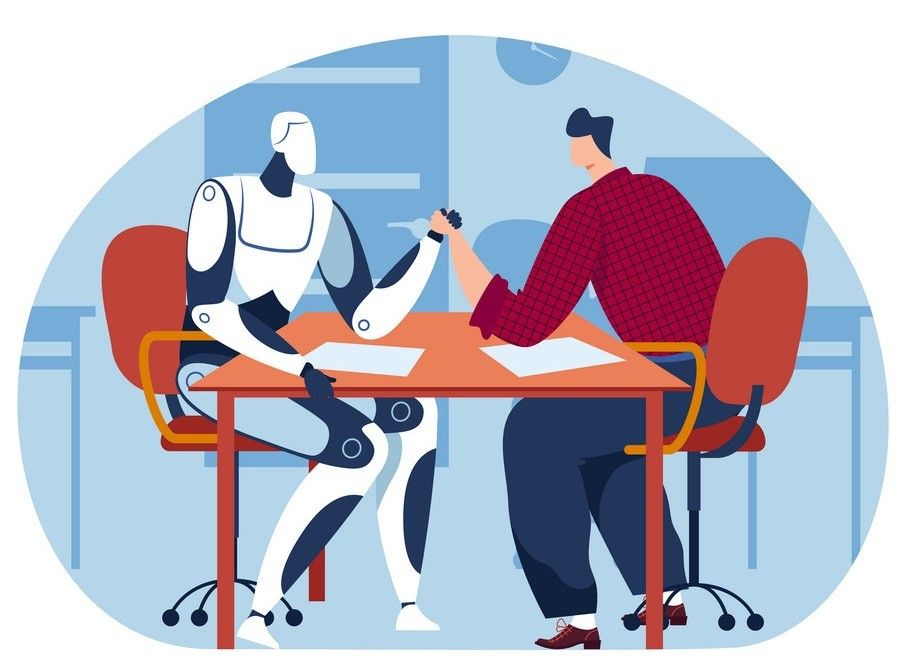
Table of Contents
1. Cost
Let’s start with the most pressing factor for most businesses, which is the cost.
Manual inspections are expensive. Depending on the circumstances, a single inspection can range anywhere from $50 to $200, and the cost increases when you factor in specialized inspections, travel expenses, and logistics.
On the other hand, AI-powered vehicle inspections drastically reduce per-inspection costs by automating the process. Over time, this results in significant cost savings, which can also benefit customers by lowering operational costs that would otherwise be passed on to them.

2. Customer Experience
Traditional vehicle inspections often create friction in the customer journey.
A manual inspection requires an inspector to physically visit the vehicle, which adds to the waiting time. Additionally, capturing + filing + analysing the reports further extends the inspection timeline.
In contrast, AI-powered vehicle inspections can be conducted remotely using a smartphone or fixed cameras. Users receive a detailed inspection report within seconds, reducing the time taken for the entire process from hours (or even days) to mere minutes. This not only improves customer satisfaction but also streamlines operational efficiency.
3. Accuracy
Both human and AI-powered vehicle inspections have strengths when it comes to accuracy, but they also come with their own limitations.
Human inspectors can perform thorough checks of both the interior and vehicle exterior. However, this accuracy is often influenced by experience, fatigue, and even environmental conditions. Human error is inevitable, which can lead to inconsistencies in the final report.
AI, on the other hand, provides consistently high accuracy right out of the box. Yet, its effectiveness depends on the data quality used during training. Moreover, AI models primarily excel at detecting visible external damage, meaning they may miss micro damages or internal issues that aren’t captured visually.
4. Damage types
When it comes to identifying different damage types, human inspectors have an edge in detecting both external and internal damages. They can spot subtle mechanical issues by driving the vehicle or identifying sounds that indicate internal problems.
AI, however, is limited to identifying visible damages on the vehicle’s exterior and interior parts. Detecting internal damage would require additional sensors and advanced technology, which often comes with a steep price tag.
5. Fraud prevention
Fraud prevention is another area where AI can outperform human inspectors.
Manual inspections leave room for both unintentional errors and intentional manipulation. Inspectors may overlook or misreport damages, and in some cases, they might be incentivized to fabricate damage reports, compromising the integrity of the process.
AI mitigates this risk by using multiple verification methods to ensure data accuracy. AI-powered inspections can flag inconsistencies and detect fraudulent activities, ensuring a more transparent and reliable inspection process.
6. Speed and efficiency
Speed is one of the biggest pain points in traditional inspections.
Manual inspections often take longer due to factors like inspector travel time, manual documentation, and back-and-forth communication to resolve discrepancies. All of these contribute to delays in generating the final inspection report.
AI inspections, on the other hand, drastically speed up the process. Damage detection, analysis, and report generation can all be completed within minutes, making the process highly efficient and significantly reducing the time and effort required.
7. Coverage and Accessibility
Manual inspections can be challenging to execute in remote or inaccessible areas. In such cases, businesses either have to send an inspector to the location, which increases costs and time, or transport the vehicle to the inspection site, causing further delays.
AI eliminates these hurdles by enabling remote inspections through smartphone cameras. As long as there’s a stable internet connection, an inspection can be completed from virtually anywhere. This ensures wider accessibility and faster turnaround times.
AI vs. Human Inspections – What works better?
AI-powered vehicle inspection solutions are revolutionizing the industry, and as the technology continues to evolve, more businesses will embrace AI-driven processes as the standard.
While AI still has more limitations, particularly in detecting internal or mechanical damage, these gaps are rapidly closing. In the near future, AI is poised to offer a comprehensive, accurate, and cost-effective alternative to human inspections.
For businesses that want to stay ahead in an increasingly competitive landscape, adopting AI-powered vehicle inspections is no longer just an option. It’s a necessity.


